Why testimonials work, and why most do not
A testimonial borrows trust. The viewer does not have to believe the brand; they have to believe a person like them. That only works when the person is credible and the story is specific. ‘They were great to work with, I would recommend them’ is a testimonial in name only. It could be about anyone, so it persuades no one.
The strongest testimonials contain a before, a decision and an after, told in the customer’s own words with concrete detail: what was going wrong, what they were worried about when choosing, what happened next. Specificity is what makes a story believable, and believability is the entire point.
Fig. 01 · Hierarchy
Tap to explore
The credibility pyramid of a testimonial
01 · Production polish
Light, sound, edit: helpful but least important
02 · Emotion
Genuine relief, pride or surprise, not performed
03 · Specific detail
Situations, moments, numbers the customer is happy to share
04 · Recognisable situation
The viewer sees their own problem
05 · Real, relevant person
A customer the target buyer identifies with
Step 1: choose the right customer
The happiest customer is not always the best testimonial. The best one is a customer whose situation matches the buyers you want to persuade, who had a real doubt before choosing, and who can speak naturally. A senior name may impress, but a peer of your target buyer often persuades more.
- Match the target segment: industry, size, role, region, or life stage.
- Look for a real before and after: a problem the customer can describe clearly.
- Prefer someone who hesitated: objections they overcame are the objections your prospects have.
- Check they can speak comfortably: a short call before the shoot tells you a lot.
- Confirm permission early: some organisations need legal or communications approval to appear.
Step 2: prepare the interview, not a script
Never script a customer. Scripted testimonials sound scripted, and audiences notice. Instead, prepare an interview guide that draws out the story, and brief the customer on themes so they feel prepared without rehearsing lines. The questions below are designed to produce specific answers.
Compare scenarios
Interview questions by story stage
Establish the situation and the problem.
- What was your situation before you started working with us?
- What was the hardest part of that?
- What had you already tried?
- What made you decide something had to change?
Surface the doubts, which are the most persuasive part.
- What made you hesitate before choosing us?
- What were you comparing us against?
- What tipped the decision?
Draw out concrete change.
- What is different now, day to day?
- Can you describe a specific moment when you noticed the difference?
- What would you say to someone in the position you were in?
Ask customers to repeat the question in their answer: ‘Before we started working with them, we…’ rather than ‘We…’. This makes each answer stand alone in the edit, because the interviewer’s voice is usually cut. And ask follow-ups: ‘Can you give me an example?’ is the most useful question in testimonial filming.
Step 3: film simply and well
Fig. 02 · Process
Tap to explore
A testimonial shoot, step by step
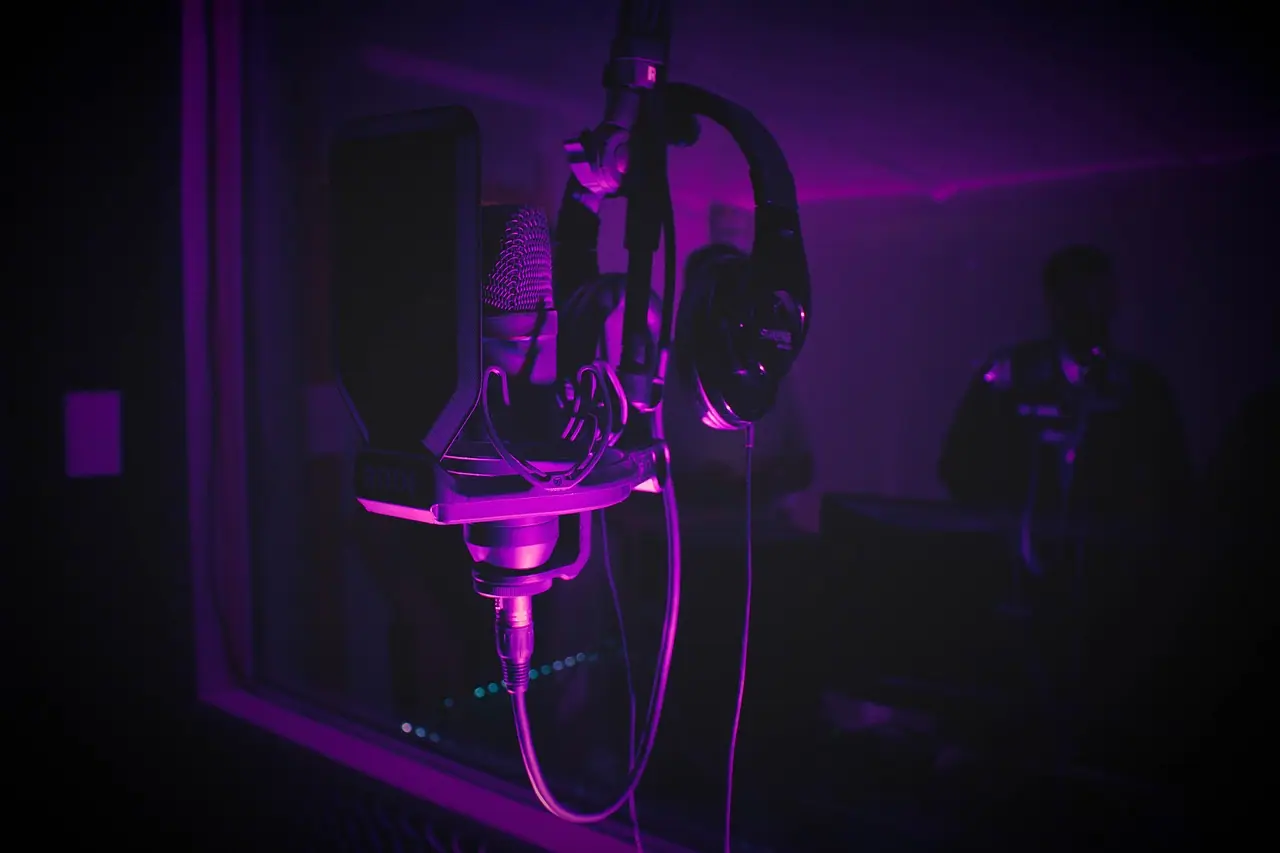
Sound matters more than picture. Use a proper microphone, choose a quiet room and turn off air conditioning if it hums. Shoot in the customer’s real environment where possible; it is part of the evidence. Capture plenty of B-roll so the edit can show what the customer describes.
Step 4: edit honestly
Editing a testimonial is a matter of selection and order, and with that comes responsibility. Cut for clarity and length, but never change meaning by combining fragments into something the customer did not say. Keep some natural pauses and imperfections; they are part of what makes the speaker believable.
Show the customer the final cut before publishing. It builds trust, catches errors, and protects you if their organisation has sensitivities. Advertising standards bodies, including ASCI in India, expect testimonials to be genuine and representative of typical experience; check the current codes in each market where the video will run.
Remote and self-recorded testimonials
Not every customer can host a crew, and not every story justifies a shoot. Remote interviews over video calls, or customers recording themselves on a phone, have become common and are often good enough, particularly for social, sales enablement and B2B case pages where authenticity matters more than finish.
The craft shifts from cinematography to coaching. Send the customer a short guide: sit facing a window rather than with one behind them, hold the phone horizontally or vertically depending on where the video will run, use earphones with a microphone or sit close to the device, and choose a quiet room. Record the call locally where possible rather than relying on compressed call recordings, and ask for a few seconds of them at work or using the product as B-roll.
Run the interview exactly as you would in person: the same questions, the same follow-ups, the same request to restate the question in the answer. Remote testimonials are less polished, but a specific story told by a credible customer still outperforms a beautiful film with nothing to say.
Building a testimonial library
One testimonial helps. A library helps far more, because different prospects identify with different customers. Aim for coverage across your main segments, use cases and objections, so that a salesperson can send a prospect a story from someone like them. Plan it the way you would plan a content calendar: list the segments and doubts you need covered, then recruit customers to fill the gaps.
Build asking into the customer journey. The best moment to request a testimonial is soon after a customer has experienced a clear success, when the story is fresh. Make the request easy, explain how the video will be used, and offer them something of value in return, such as visibility for their own business where appropriate.
Step 5: use every cut
One interview can supply several assets: a full story for case-study pages, a short version for ads and social, single-answer clips that address particular objections for sales teams, and quotes for written case studies. Plan these in advance so you ask the questions each asset needs.
Checklist
0/10Testimonial video checklist
Myth vs reality
Testimonial myths
Testimonials sit at the ‘be chosen’ stage of video marketing. They work hard on product pages, in sales follow-up and in retargeting, where prospects already know you and need reassurance.
Key takeaways
- 01Testimonials persuade through specificity and credibility; vague praise persuades no one.
- 02Choose a customer who matches your target buyer and had a real doubt before choosing.
- 03Interview, never script; ask for examples and have customers restate the question in their answers.
- 04Prioritise sound and real environments over polish, and capture B-roll of what the customer describes.
- 05Edit without changing meaning, verify any results mentioned, secure written consent and show the customer the final cut.
Frequently asked
- How do you make a good testimonial video?
- Choose a customer who matches your target buyer, interview them with open questions that draw out a before, a decision and an after, film in their real environment with good sound, capture B-roll, edit without altering meaning, and get written consent and their approval of the final cut.
- What questions should I ask in a testimonial video?
- Ask about their situation before, what was hardest, what they had tried, what made them hesitate before choosing you, what tipped the decision, and what is different now. Follow up with ‘Can you give me an example?’ to draw out specific detail.
- Should testimonial videos be scripted?
- No. Scripted testimonials sound rehearsed and reduce credibility. Brief the customer on the themes you will cover so they feel prepared, then use a conversational interview. Specific, natural answers are far more persuasive than polished lines.
- How long should a testimonial video be?
- Make several lengths from one interview: a full story of a couple of minutes for case pages, short cuts for ads and social, and single-answer clips that address specific objections. The right length depends on where the video is used.
- Do I need permission to use a customer testimonial video?
- Yes. Obtain written consent that covers where, how and for how long the video will be used. The customer’s organisation may also need to approve. Check advertising codes in each market, as testimonials are generally expected to be genuine and representative.
Published by Fabulous.Media, a network of specialist marketing agencies. Updated 9 October 2026. Platform features change often; check current official documentation before acting on platform-specific detail.