
ECOMMERCE& D2C
Ecommerce and D2C marketing is the discipline of finding buyers for products sold online, converting them on a store, marketplace or quick-commerce app, delivering what was promised and bringing them back. It is judged on contribution per customer after product, delivery, returns and acquisition costs, not on traffic or gross revenue.
How we
see it
Online retail makes every cost visible. A physical shop hides its acquisition cost inside rent and its returns inside a counter. An online store pays separately for nearly every visitor, every parcel and every parcel that comes back. That visibility is a gift to disciplined marketers and a trap for everyone else, because the easiest numbers to report, sessions, orders placed and gross revenue, are the ones least connected to whether the business is working.
Our view is that ecommerce marketing starts with the order, not the advertisement. If a typical delivered order does not leave a margin after product cost, shipping, payment fees, returns and the cost of failed cash-on-delivery attempts, then more advertising simply enlarges the loss. Once the order works, the product page and the delivery experience do most of the persuading. Advertising is the amplifier. It is rarely the instrument.
This is especially true in India, where the playbook has its own variables. Cash on delivery remains a trust device for many first-time buyers and a source of return-to-origin cost for brands. UPI has made prepaid easy, so the payment mix is now a lever marketers can pull. Marketplaces set the rhythm of festive demand, quick-commerce apps have created a new kind of shelf, and WhatsApp is often where confirmation, support and reorders naturally happen. Tier-2 and tier-3 cities bring growth with different expectations on language, price and delivery.
The second order matters as much as the first. Most brands earn little on a first purchase once acquisition is counted; profit arrives with repeat orders, which cost far less to win. That is why we treat retention, reviews, unboxing and returns as marketing work rather than as operations to be handed off. A brand that buys its first customers at a loss can still build a healthy business if enough of them return; a brand with weak repeat behaviour has to make every first order profitable, which very few manage for long.
The guides in this hub are written to be used. They favour frameworks and checklists over trends, show the arithmetic behind each decision through calculators, and avoid borrowed benchmarks that may not apply to your category. Where platform features change often, we describe the principle and point you to current documentation.
Fig. 01 · Stack
Tap to explore
The ecommerce marketing stack
Acquisition
Search, shopping, social, creators, marketplaces
Conversion
Product pages, checkout, trust, payment options
Delivery experience
Promise kept, packaging, support, returns
Retention
WhatsApp, email, subscriptions, reorders
Unit economics
Price, cost, shipping, RTO and returns
FourConvictions
- 01
Margin before traffic
Know contribution per delivered order on each sales route before paying for a single additional visitor. Scaling a loss-making order only scales the loss.
- 02
Orders kept, not orders placed
Measure revenue after cancellations, RTO and returns, and feed delivered-order data back to ad platforms where possible, so bidding learns from real customers.
- 03
The product page is the salesperson
Images, honest descriptions, delivery dates and reviews do more persuading than any slogan. Answer buyer doubts in the order they arise.
- 04
Earn the second order
Retention is where ecommerce economics turn. Time reorder prompts to real usage, prefer convenience over discounts, and treat delivery and support as marketing.
Building a D2C brand in India
Acquisition and shopping channels
EveryGuide
- Explainer8 minEcommerce MarketingSelling margin, not trafficEcommerce marketing is the work of finding buyers for products sold online, converting them on a store or marketplace, and bringing them back profitably. It spans acquisition, merchandising, conversion, retention and unit economics. Done well, it is judged on contribution margin per customer, not on traffic, clicks or headline revenue.2 diagrams2 tools
- Guide9 minD2C MarketingThe Indian playbook, honestly toldD2C marketing in India is the work of selling a brand’s products directly to consumers through its own website, apps, WhatsApp and selectively chosen marketplaces. It succeeds when positioning is sharp, the first order is profitable after COD and returns, and retention carries growth instead of ever-rising ad spend.2 diagrams2 tools

- Framework9 minGrowth StrategyFour engines, one equationAn ecommerce growth strategy is a deliberate choice of where the next unit of profitable revenue will come from: new customers, more orders from existing customers, larger baskets, or new products and markets. It starts by decomposing revenue into its drivers, picks one or two engines to push, and scales only while margin holds.2 diagrams2 tools

- How-to9 minProduct PagesAnswering the buyer’s doubts in orderProduct page optimisation is the process of improving a product detail page so that more of the right visitors buy, and keep, the item. It works by identifying the doubts a buyer has before purchase, answering them in the order they arise with images, copy, price, delivery and proof, and testing changes against delivered orders.2 diagrams2 tools

- Guide9 minShopify GrowthFewer apps, better decisionsGrowing a Shopify store means increasing profitable orders by strengthening the store’s foundations, merchandising, traffic and retention, in that order. The platform handles the plumbing; growth comes from clear positioning, fast mobile pages, disciplined app choices, one well-run acquisition channel, and a retention loop that brings buyers back.2 diagrams2 tools

- Guide9 minMarketplace MarketingWinning on someone else’s shelfMarketplace marketing is the work of making a brand’s products discoverable, persuasive and profitable on platforms such as Amazon and Flipkart. It rests on four things: complete, search-friendly listings; reviews and ratings; on-platform advertising managed for margin; and pricing and assortment choices that protect the brand’s other channels.2 diagrams2 tools

- Guide9 minEcommerce RetentionEarning the second orderEcommerce retention is the set of practices that bring customers back to buy again: product experience, post-purchase communication, reorder timing, subscriptions, loyalty and service. It matters because the first order often barely covers acquisition cost. Retention is measured by repeat purchase rate and cohort revenue over the product’s natural buying cycle.2 diagrams2 tools

- Framework9 minCustomer AcquisitionBuying customers you can affordEcommerce customer acquisition is the process of winning first-time buyers for an online store at a cost the business can afford. A sound approach sets a maximum acquisition cost from margin and repeat behaviour, chooses channels by buyer intent and scale, tests creative continuously, and judges spend on payback period rather than on platform-reported returns.2 diagrams2 tools
- Guide9 minGoogle Shopping AdsYour feed is the adGoogle Shopping ads are product listings, with image, title, price and store name, shown in Google search and other surfaces. They are generated from a product feed in Google Merchant Center rather than from keywords. Success depends on feed quality, competitive pricing, campaign structure that reflects margin, and bidding judged on profit rather than revenue.2 diagrams2 tools

- How-to9 minProduct FeedsThe catalogue as advertising copyProduct feed optimisation is the improvement of the structured product data a store sends to Google Merchant Center, Meta catalogues, marketplaces and comparison sites. Better titles, complete attributes, accurate identifiers, clean images and useful custom labels make products show for the right searches, look credible beside competitors and let campaigns bid on margin.2 diagrams3 tools

- Explainer9 minSite ArchitectureHow stores are found and browsedEcommerce site architecture is the way an online store organises its pages, from home page to categories, subcategories, filters and products, and links them together. Good architecture lets shoppers reach any product in a few clicks, gives search engines clear paths and distinct pages for each demand, and keeps filters from multiplying into thin duplicate URLs.2 diagrams2 tools
- Explainer8 minQuick CommerceMarketing measured in minutesQuick commerce marketing is how brands win sales on apps that deliver from nearby dark stores within minutes. Because shoppers buy fast and often by habit, the levers are availability, in-app search and placement, pack and price architecture, and on-platform advertising, supported by brand building off the platform that makes shoppers search for the brand by name.2 diagrams2 tools

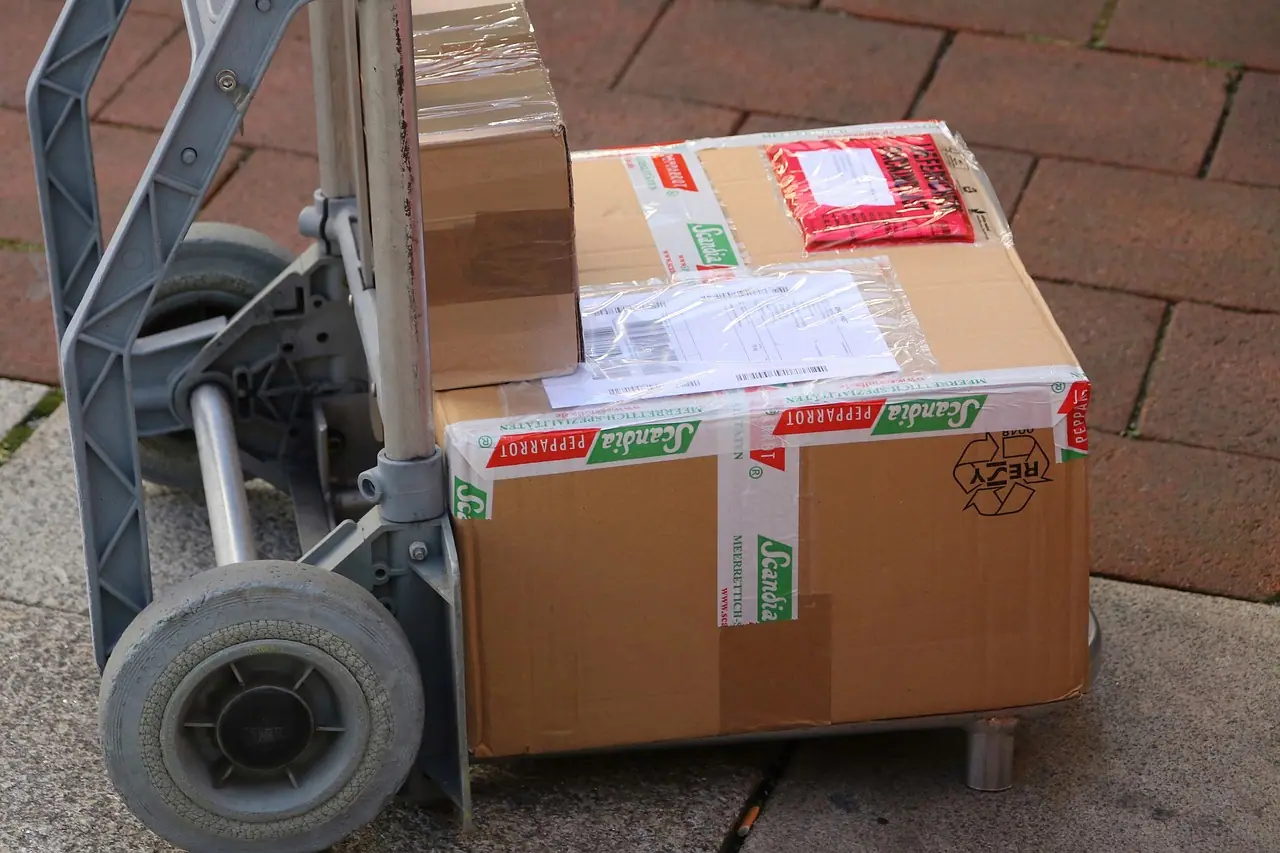
- How-to9 minReducing RTOGetting parcels accepted at the doorRTO, or return to origin, happens when a shipped order is not delivered and travels back to the seller, most often because a cash-on-delivery buyer refuses it or cannot be reached. Reducing it means measuring the full cost, confirming and verifying orders, nudging buyers to prepaid, setting honest delivery expectations and fixing the marketing that attracts unserious orders.2 diagrams3 tools

- Framework9 minPricing & PromotionsDiscounts are a loan against trustPricing and promotions in ecommerce are the decisions about a product’s everyday price and the temporary offers used to change demand. A sound framework sets credible reference prices, chooses each promotion for a specific objective, calculates the sales uplift needed to break even, limits depth and frequency, and protects price consistency across channels.2 diagrams2 tools

- Explainer9 minUnit EconomicsWhat one order is really worthEcommerce unit economics describe what a single order, or a single customer, earns after the costs that rise and fall with it. The core measure is contribution margin, built in layers: after product cost, after fulfilment and payment, and after marketing. In COD-heavy markets, returns and RTO must be included or the numbers flatter the business.2 diagrams2 tools

- How-to9 minAverage Order ValueBigger baskets, better marginsIncreasing average order value means persuading customers to spend more per order, through bundles, free-shipping thresholds, relevant cross-sells, larger pack sizes and post-purchase offers. It matters because many order costs are fixed per parcel, so larger baskets usually earn better contribution. The goal is higher margin per order, not just higher revenue per order.2 diagrams4 tools

- Guide9 minSubscription EcommerceRecurring revenue, earned monthlySubscription ecommerce is selling products on a recurring schedule or for a recurring fee, so customers receive goods or benefits without reordering each time. The main models are replenishment, curation boxes and paid memberships. It works when the product is used up predictably and customers stay in control; it fails when subscriptions trap people or arrive faster than they are needed.2 diagrams2 tools

- Guide9 minProduct ReviewsProof that compoundsA product review strategy is a deliberate plan for collecting genuine customer reviews, displaying them where they help buyers decide, responding to criticism and feeding what reviews reveal back into product and marketing. Done well, reviews raise conversion, improve search and marketplace visibility, reduce returns and act as continuous, free customer research.2 diagrams2 tools

- Guide9 minProduct PhotographyImages that replace the handEcommerce product photography is the set of images, and often short videos, that show a product online in place of seeing and handling it. A strong set covers a clean main image, scale, detail, use and contents, is consistent across the range, meets each platform’s rules and reads clearly on a phone. It sells and it prevents returns.2 diagrams2 tools

- How-to9 minFestive SalesPlanning the season, not the dayFestive sale marketing is the planning and execution of promotions, media and operations around peak shopping seasons such as Diwali and the big marketplace sale events. It works when the brand sets a clear objective, builds demand before the sale, secures stock and delivery capacity, chooses offers by margin, and measures incremental contribution rather than gross sales.2 diagrams3 tools

- Guide9 minCross-Border EcommerceSelling abroad, one market at a timeCross-border ecommerce is selling online to customers in another country, shipping from your home market or from stock held abroad. It succeeds when a brand chooses markets by demand and feasibility, prices on full landed cost including duties and returns, localises the experience, and tests one market properly before expanding to the next.2 diagrams3 tools

- Framework9 minEcommerce AnalyticsFewer numbers, better decisionsEcommerce analytics is the practice of collecting, reconciling and interpreting data on traffic, conversion, orders, customers and costs to make better decisions about an online store. A good framework organises metrics into a hierarchy, from contribution at the top to diagnostics below, uses one source of truth for orders, and reviews the numbers on a fixed rhythm.2 diagrams2 tools

- Guide9 minCustomer ExperienceThe parts of the store nobody advertisesEcommerce customer experience is everything a customer encounters from first visit to long after delivery: browsing, buying, waiting, unboxing, using, getting help and returning. It decides whether the first order becomes a second. Good experience comes from honest promises kept, proactive communication, easy support and returns, and treating every complaint as evidence about the system.2 diagrams2 tools

- Checklist10 minLaunching D2CThe checklist before the first rupee of adsLaunching a D2C brand means taking a product directly to consumers through your own store and selected channels, with the positioning, economics, operations and retention in place before significant marketing spend. This checklist covers what to prove, build and decide before launch, and how to run the first ninety days so early spend teaches as much as it sells.2 diagrams4 tools

EcommerceQuestions
- What is the difference between ecommerce marketing and D2C marketing?
- Ecommerce marketing covers any business selling online, including retailers and marketplace sellers. D2C marketing is a subset: brands that make their own products and sell them directly to consumers, aiming to own the customer relationship. In practice most D2C brands also sell through marketplaces and quick commerce.
- Where should an online store start with marketing?
- Start with unit economics: confirm a typical delivered order makes money after all variable costs. Then make sure product pages convert existing traffic, choose one acquisition channel to learn properly, and build post-purchase journeys that bring customers back. Add channels only once these work.
- How do COD and RTO affect ecommerce marketing in India?
- Cash on delivery helps first-time buyers trust a new brand but introduces return-to-origin risk, where parcels are refused and shipped back at the seller’s cost. Marketing affects RTO through the audiences and offers it uses, and can reduce it with order confirmation, prepaid incentives and honest expectations.
- Which metrics matter most for an ecommerce business?
- Contribution after marketing on delivered and kept orders is the outcome that matters. Its drivers are new customers, acquisition cost, repeat purchase rate, conversion rate, average order value and delivery success. Use the store as the source of truth for orders and review a small set of numbers weekly.