
BRAND& CREATIVE
Brand and creative is the discipline of deciding what a business should mean to people and making that meaning unmistakable. It joins strategy (audience, position, purpose), identity (name, design, voice) and creative work (ideas and campaigns) so that every encounter builds the same memory and makes the brand easier to choose.
How we
see it
Most companies treat brand as a finishing touch: something to tidy up once the product, the sales team and the performance campaigns are working. We think that is backwards. A brand is the set of memories and expectations that make a business easier to choose, easier to trust and harder to replace on price. Those memories form whether or not anyone manages them. Branding is simply the decision to shape them on purpose, with the same rigour a company applies to its finances or its product.
That rigour starts with choices, not colours. A useful brand strategy says who the business is for, what it will be known for and what it will refuse to do. Positioning turns that into a reason to choose. Identity — the name, the logo, the type, the colour, the voice — exists to make those choices recognisable at a glance and consistent across every touchpoint, from a vertical video to an invoice. Creative work then gives the brand ideas big enough to earn attention and simple enough to repeat for years. Each layer depends on the one beneath it. Beautiful identity work on a vague strategy produces a well-dressed stranger; a sharp strategy with no distinctive expression produces a brand nobody notices.
Two convictions run through every page in this hub. First, consistency compounds. Teams grow tired of their own brand long before customers have learned it, and most costly mistakes in branding come from changing what was working. Second, brand is measurable, just not through last-click reports. Awareness, associations, share of search, price tolerance and the efficiency of every other channel all reflect brand strength, and leaders who track them stop treating brand and performance as rivals. The guides that follow are written for people who have to make these decisions — founders, marketing leaders and chief executives — and they favour clear frameworks, honest trade-offs and practical checklists over inspiration. Where a choice depends on your situation, we say so and show you how to decide. Read them in any order, but if your brand feels tired, begin with an audit before assuming you need something new: the problem is more often consistency or experience than design.
Fig. 01 · Stack
Tap to explore
How a brand is built
Creative ideas and campaigns
The work that earns attention and builds memory over time
Identity and voice
Name, logo, type, colour, imagery and words that make the brand recognisable
Experience and behaviour
What it is actually like to buy from and work with the company
Strategy and positioning
Audience, purpose, point of difference and the choices that follow
FourConvictions
- 01
Choices before colours
Settle audience, position and purpose before commissioning design. Identity work cannot rescue a strategy that has not been decided.
- 02
Distinctive beats pretty
An identity earns its keep by being recognised and hard to confuse. Fitting in with the category is the most expensive kind of safe.
- 03
Consistency compounds
Recognition is built through years of confident repetition. Change when the strategy changes, not when the team is bored.
- 04
Measure the long game
Track awareness, associations and share of search alongside sales. Brand works on a slower clock than dashboards, but it is not unmeasurable.
Start here
Build an identity
Make the creative work
EveryGuide
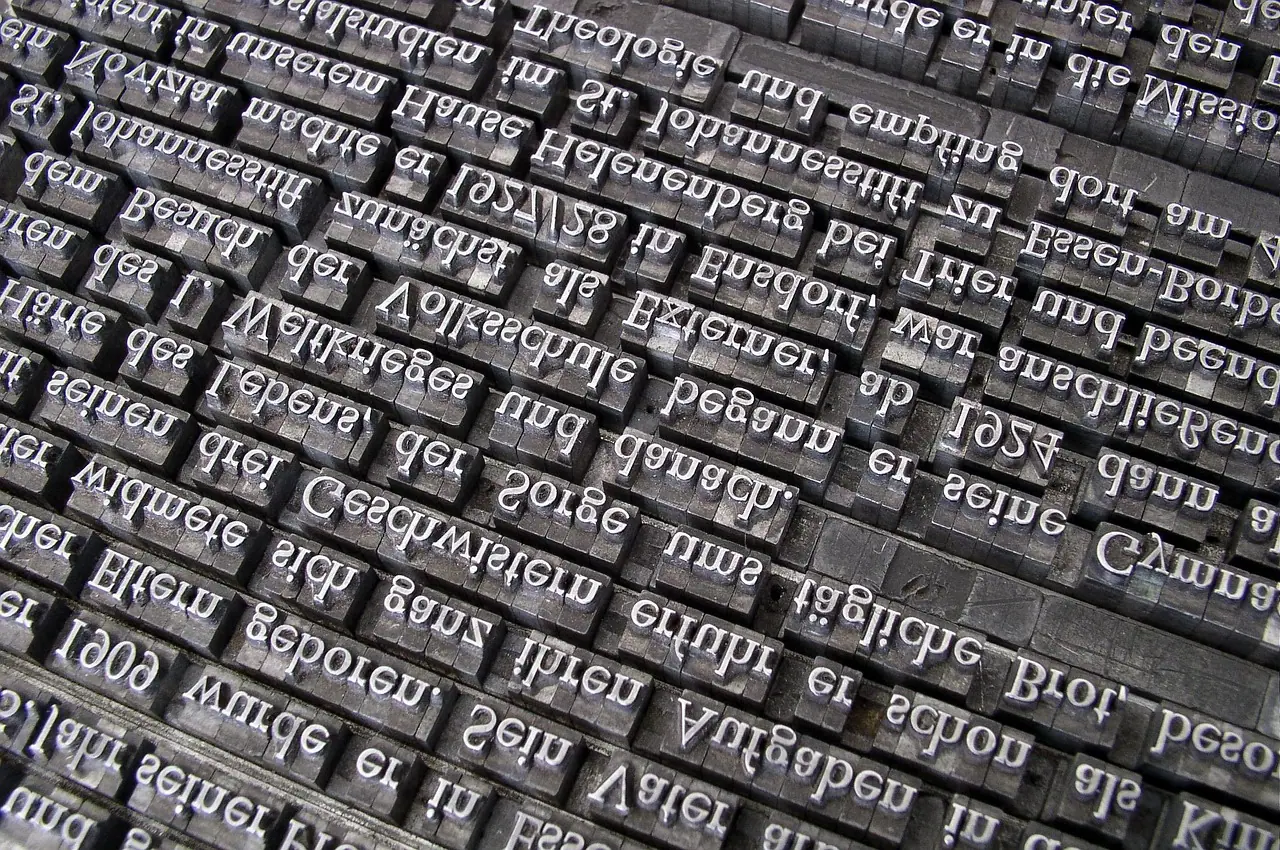
- Explainer8 minWhat Is BrandingMemory, built on purposeBranding is the deliberate work of shaping what people remember, feel and expect when they meet a business. It covers the strategy (what you stand for and for whom), the identity (how you look and sound) and the behaviour (what you actually do). A brand is the result in people’s heads; branding is the effort to influence it.2 diagrams2 tools
- Framework9 minBrand StrategyChoices before coloursBrand strategy is the set of deliberate choices about who a business serves, what it stands for, how it is different and how it should be perceived, written down so that every product, campaign and design decision can be tested against it. It is a decision document, not a mood board.2 diagrams2 tools

- Framework9 minBrand PositioningOwning one place in the mindBrand positioning is the deliberate choice of the place a brand occupies in its buyers’ minds relative to the alternatives. It defines the target audience, the category it competes in, the difference that matters and the evidence that makes the difference believable. Good positioning makes a brand the obvious choice for someone specific.2 diagrams2 tools

- Guide9 minBrand IdentityA system, not a logoBrand identity design is the creation of the visible and audible system a brand uses to be recognised: logo, colour, typography, imagery, graphic devices, motion and voice, plus the rules that combine them. A good identity expresses the strategy, is distinctive enough to be remembered and simple enough for many people to apply consistently.2 diagrams2 tools
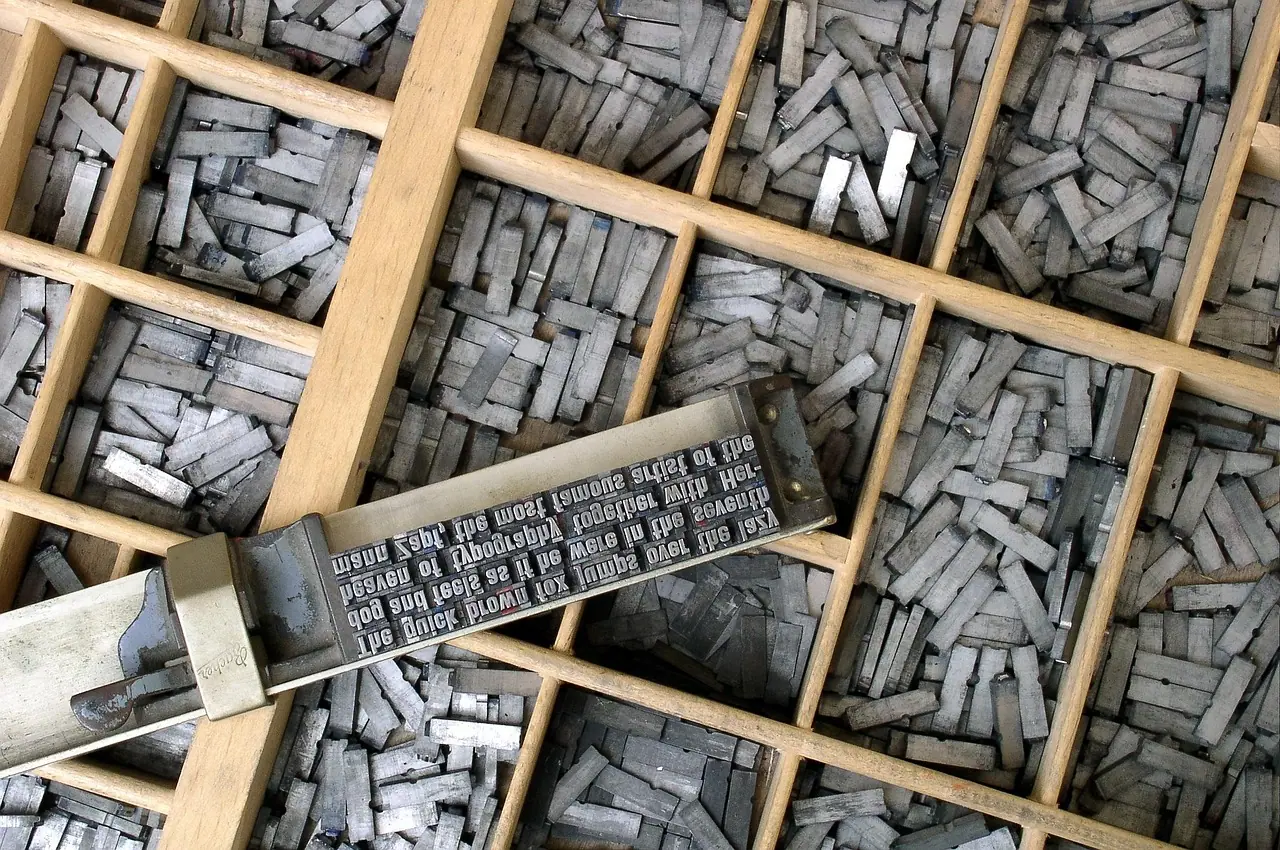
- How-to8 minBrand GuidelinesRules people actually useBrand guidelines are the documented rules for applying a brand consistently: the strategy behind it, how to use the logo, colour, typography, imagery and voice, and examples of correct and incorrect use. Good guidelines are short, searchable and built around the tasks people actually perform, with templates that make the right choice the easy one.2 diagrams2 tools
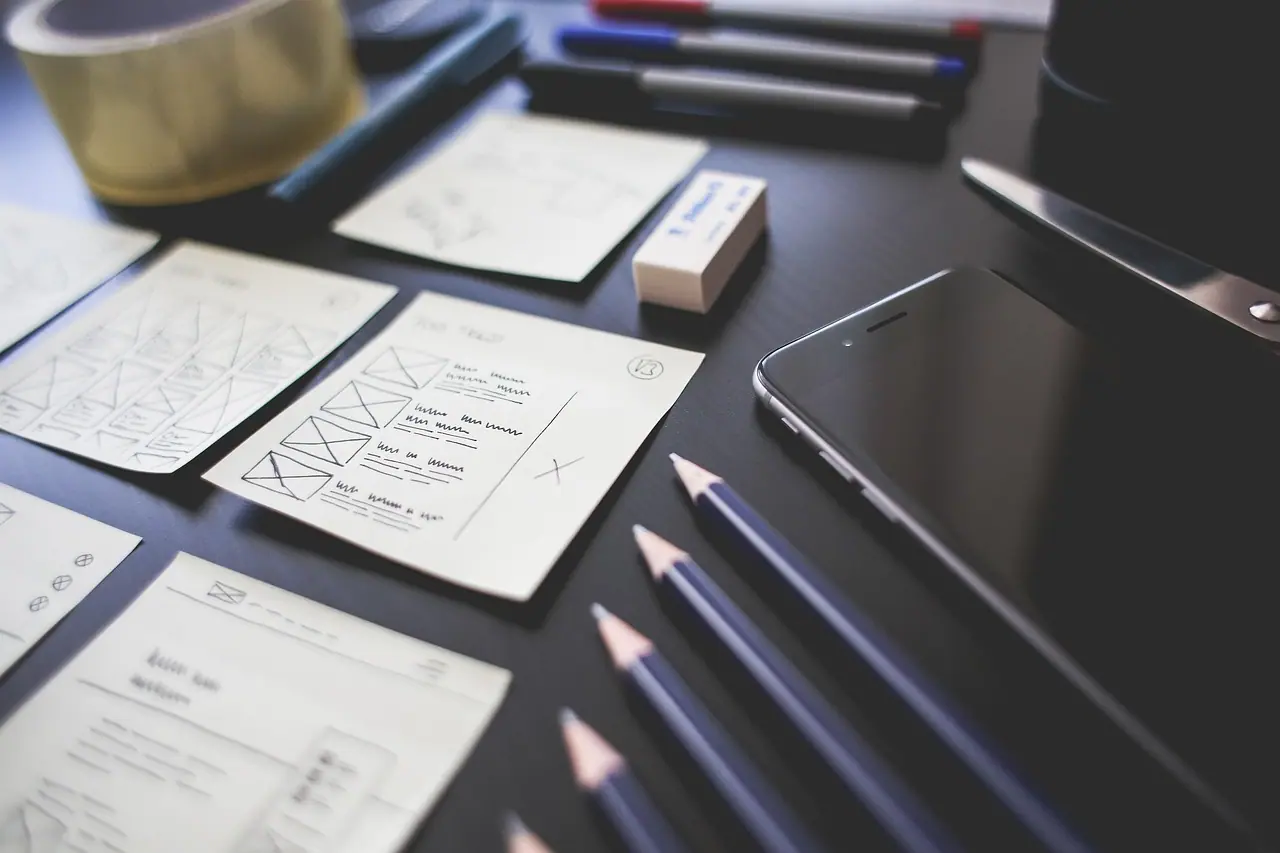
- Framework9 minLogo Design ProcessFrom brief to markThe logo design process moves from a strategic brief through research, concept exploration, refinement, real-world testing and delivery of a complete file set. A good process judges marks against agreed criteria — distinctiveness, simplicity, scalability, relevance and protectability — rather than taste, and always reviews them in real applications.2 diagrams2 tools

- Explainer9 minBrand ArchitectureHow brands relateBrand architecture is the structure that defines how an organisation’s brands, sub-brands and products relate to one another and to the parent company. The main models range from a single branded house to a house of independent brands, with endorsed and hybrid models in between. The right choice balances efficiency, focus and risk.2 diagrams2 tools
- Guide10 minRebrandingChange what must changeRebranding is a deliberate change to a company’s brand — its positioning, name, visual identity or voice — to change how it is perceived. It ranges from a refresh that modernises an identity to a full rebrand that redefines the business. A good rebrand is driven by a strategic reason, protects valuable existing assets and is launched with operational care.2 diagrams2 tools

- How-to9 minBrand VoiceSounding like yourself, everywhereBrand voice is the consistent personality expressed in everything a brand writes and says, from advertising to error messages. It stays constant, while tone adapts to the situation. A useful voice is defined by a few principles with clear limits, shown through before-and-after examples, and built into the templates and tools that teams use every day.2 diagrams2 tools

- How-to9 minBrand NamingFinding a name you can ownBrand naming is the process of creating and selecting a name that is distinctive, memorable, appropriate to the strategy and legally and digitally available. It works as a funnel: generate hundreds of candidates across different naming styles, screen them for language, legal and domain issues, then choose from a short list using agreed criteria rather than first impressions.2 diagrams2 tools
- Explainer9 minBrand PurposeWhy you exist, proven dailyBrand purpose is the reason a business exists beyond making money, expressed as the difference it intends to make for customers, people or the world. A credible purpose is specific, connected to what the company actually does, and proven through decisions that cost something. Without that proof, purpose becomes a slogan that invites scepticism.2 diagrams3 tools

- Guide9 minEmployer BrandingWhy good people choose youEmployer branding is the work of shaping how current and potential employees see an organisation as a place to work. It rests on an employee value proposition — the honest trade of what people give and get — and is proven through the real experience of candidates and staff.2 diagrams3 tools

- How-to9 minThe Creative BriefOne page that earns better workA creative brief is a short document that tells a creative team what problem to solve, for whom, what single thing to say, why it should be believed and how success will be judged. A good brief is one page, makes hard choices in advance and contains a genuine insight.2 diagrams2 tools
- Explainer9 minDesign SystemsBrand that scales itselfA design system is a shared, maintained collection of design decisions — tokens, components, patterns and guidelines — with matching code, used to build consistent products and brand experiences at scale. It turns brand rules into reusable building blocks, so teams spend less time recreating basics and more time solving real problems.2 diagrams2 tools
- Guide10 minPackaging DesignThe brand you holdPackaging design is the creation of the structure and graphics of a product’s pack so that it protects the product, is found and understood quickly, persuades at the point of choice and delivers a good experience in use. Effective packaging puts distinctive brand cues first, makes the variant easy to identify and is designed for shelves, screens and doorsteps alike.2 diagrams3 tools

- Framework10 minMeasuring Brand AwarenessEvidence for the long gameMeasuring brand awareness means tracking how many people in your target market know your brand and what comes to mind when they think of your category. The core methods are surveys of unaided and aided awareness, association questions, share of search and direct traffic trends. The discipline is consistency: same questions, same audience definition, tracked over time.2 diagrams2 tools
- Comparison10 minBrand vs PerformanceTwo clocks, one budgetBrand marketing builds memory and preference among people who will buy in future; performance marketing captures demand from people ready to buy now. They run on different clocks and are measured differently, but they depend on each other. The practical question is not which to choose but how to balance them for your stage, category and cash position.2 diagrams2 tools

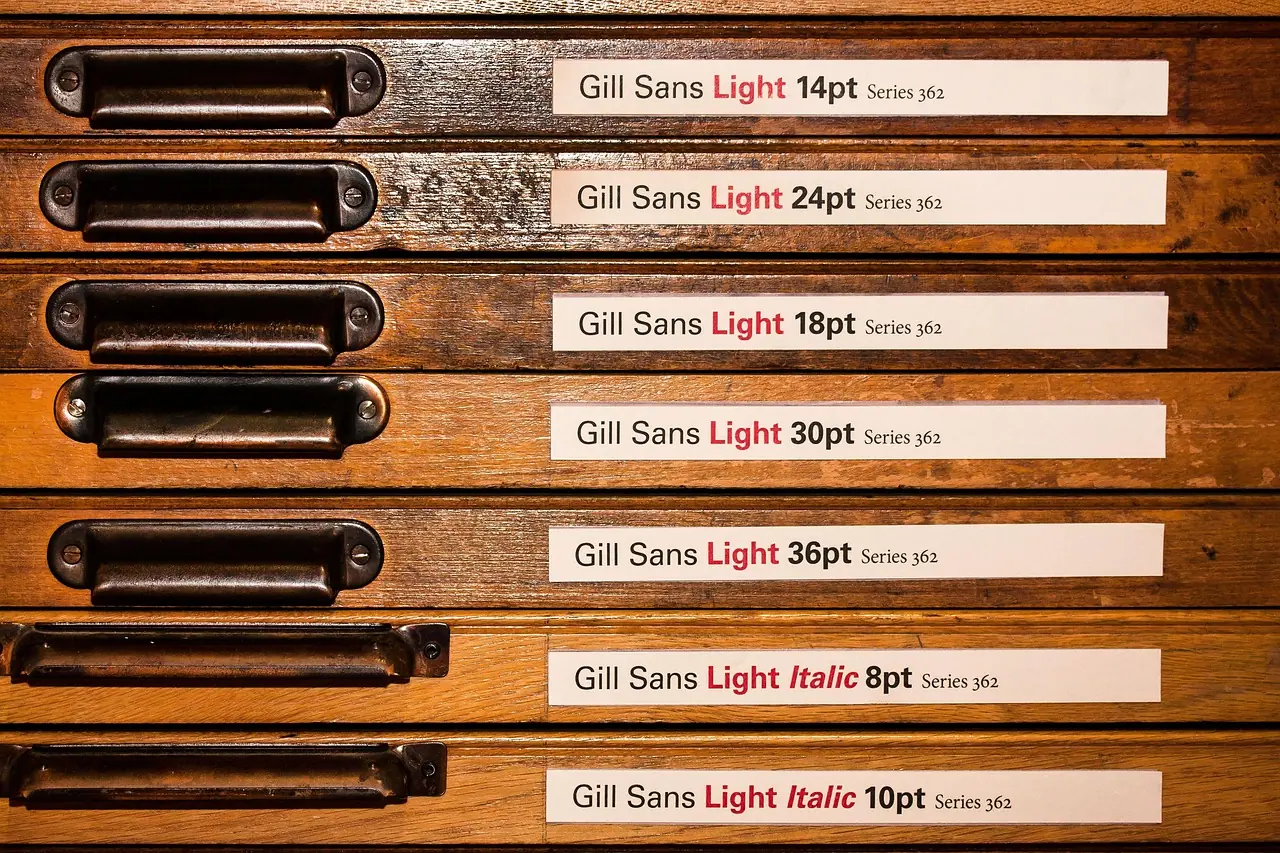
- Guide9 minBrand TypographyThe voice you can seeTypography for brands is the choice and system of typefaces a brand uses to express its personality and keep communication legible and consistent. A good brand type system pairs a distinctive display face with a highly readable text face, defines a clear hierarchy, covers every script and platform the brand uses, and is properly licensed for all intended uses.2 diagrams2 tools
- Explainer9 minThe Big IdeaOne thought, many executionsThe big idea in advertising is a single, simple creative thought that expresses a brand’s proposition in a memorable way and can be executed across many channels, formats and years. It sits between strategy and execution: more specific than a positioning, broader than any one advert. A true big idea generates new work rather than being exhausted by one campaign.2 diagrams2 tools
- Framework10 minIntegrated CampaignsOne idea, every channelAn integrated marketing campaign expresses one central idea across multiple channels, with each channel given a specific role in moving the audience from attention to action. Integration is not putting the same ad everywhere; it is coordinating message, timing, creative and measurement so the channels reinforce one another and the whole delivers more than the parts.2 diagrams3 tools

- Explainer9 minArt DirectionDeciding how it should feelArt direction is the discipline of deciding how creative work should look and feel so that it communicates an idea clearly and consistently. An art director sets the visual concept — composition, imagery, colour, typography, casting, styling and motion — and guides photographers, designers, illustrators and editors so that many hands produce one coherent result.2 diagrams2 tools

- Guide9 minFounder BrandingBeing known for somethingPersonal branding for founders is the deliberate effort to become known for a specific point of view, expertise and set of values that support the company’s goals. It rests on a narrow territory, consistent useful content, real proof and genuine relationships. Done well, it builds trust faster than corporate channels; done badly, it becomes self-promotion that fades.2 diagrams3 tools
- Checklist10 minBrand AuditAn honest look in the mirrorA brand audit is a structured review of a brand’s strategy, identity, communication, experience and market perception, comparing what the company intends the brand to mean with what customers, staff and the market actually experience. Its output is a short list of the gaps that matter most and a prioritised plan to close them.2 diagrams2 tools
- How-to9 minChoosing an AgencyFinding the right brand partnerTo choose a branding agency, first define the problem you need solved and who will decide. Build a short list with relevant thinking, judge them on how they diagnose problems rather than on portfolio polish, meet the people who will do the work, and agree scope and ownership in writing.2 diagrams2 tools

BrandQuestions
- What is brand and creative work?
- It covers the strategic decisions about what a brand stands for — audience, positioning, purpose and personality — and the creative expression of those decisions in names, identities, voice, campaigns and content. Together they shape what people remember and expect when they encounter a business, and make it easier to choose.
- Where should a company start with branding?
- Start with strategy: who you serve, what you want to be known for and why you are the better choice. Write it on one page and test it with customers. Then build the identity and voice to express it, and only then invest heavily in campaigns that carry it to market.
- How do you know if a brand is working?
- Track awareness and associations among target buyers, consideration and preference against competitors, share of search and branded traffic, and indicators such as price tolerance and acquisition efficiency. Look at trends over quarters rather than weeks, and compare with the commercial results the brand is meant to support.
- When does a business need a rebrand?
- When the business has genuinely changed — new offer, new audience, a merger or new markets — or when the current brand causes real problems. Internal boredom, a competitor’s rebrand or a new executive’s wish for change are poor reasons. An audit usually shows whether a refresh is enough.