Experience is what happens after the click
Discussions of ecommerce experience often stop at the website: design, speed, navigation, checkout. These matter, but they are only the first act. Most of what a customer remembers about a brand happens after payment: the wait, the delivery, the box, the product in use, the support conversation, the return.
Those later moments are rarely owned by marketing, yet they decide whether marketing spend is recovered. A customer who had a frustrating delivery does not respond to a well-written reorder email. A customer who was surprised and pleased by the unboxing tells friends.
Your delivery partner is your most-seen brand ambassador. Choose and manage accordingly.
Promise, then keep it
Most bad experiences are broken promises: the delivery date that slipped, the colour that looked different, the size that did not fit, the ‘easy returns’ that were not easy. The fix starts upstream, by making only promises the business can keep.
- Show delivery estimates based on real courier performance by pin code, not best-case times.
- Use images and descriptions that represent the product honestly. See ecommerce product photography.
- State the returns policy plainly, including who pays and how long refunds take.
- Avoid urgency claims and stock warnings that are not true.
The post-purchase journey
Fig. 01 · Cycle
Tap to explore
The post-purchase experience loop
Confirm
Proactive communication
Anxiety between payment and delivery drives a large share of support enquiries: ‘Where is my order?’ Proactive updates at each stage, dispatched, out for delivery, delivered, answer the question before it is asked. In India, WhatsApp is often the most natural channel, with explicit opt-in.
When something goes wrong, such as a delay, a stock problem or a damaged parcel, tell the customer first. A brand that reports its own problem with a clear plan earns more trust than one that waits to be chased. See transactional emails and WhatsApp marketing.
Unboxing and first use
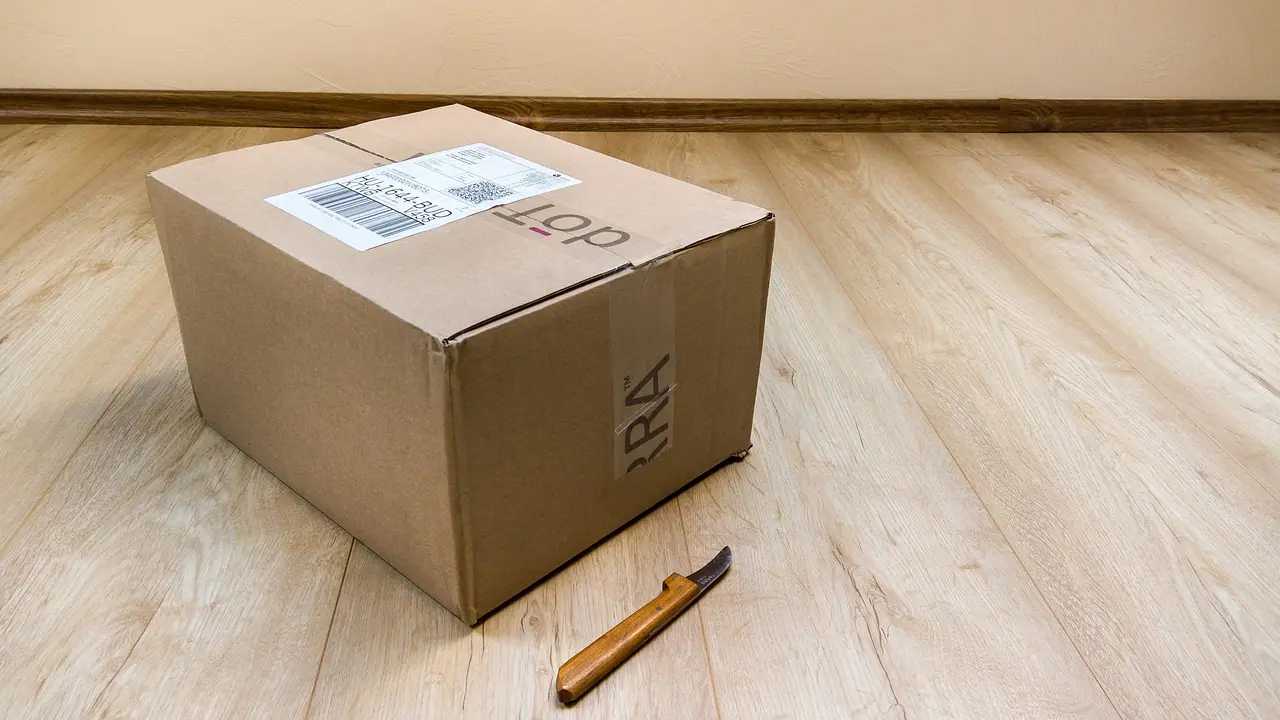
The moment the box opens is the first physical contact between customer and brand. Packaging that protects the product, looks considered and is easy to open sets the tone. Inside, clear instructions, a short note and anything that helps the customer get value quickly make the first use successful.
First use deserves attention, because many returns and poor reviews come from customers who did not use the product as intended. A simple guide, a QR code to a short video, or a WhatsApp message a day after delivery with tips can prevent disappointment. See packaging design.
Support that solves
Customers contact support when something is unclear or wrong. Fast, competent, human answers turn problems into loyalty. Slow, scripted or evasive answers turn them into public complaints. The standard is not perfection; it is resolution.
- Offer support on the channels customers use, often WhatsApp, email and phone.
- Publish clear response-time expectations and meet them.
- Give support staff authority to resolve common problems without escalation.
- Use automation for status questions; route anything complex to a person quickly.
- Track repeat contacts: a customer who contacts you twice about the same issue was not helped the first time.
AI chat tools can handle routine questions well if they are connected to order data and hand over to people gracefully. See AI chatbots for where they help and where they frustrate.
Returns as an experience
Returns are inevitable, especially in apparel. The question is whether the return experience leaves the customer willing to buy again. A simple, predictable process, with a pick-up option, quick refunds and an easy exchange path, often retains a customer whose first item did not work out.
Treat returns data as research. Track reasons by product and act on patterns. A product that is frequently returned for running small needs a sizing note, not a stricter returns policy. See product page optimisation.
Designing for the whole of India
Experiences designed in a metro office often fail in tier-2 and tier-3 towns. Addresses are described by landmarks rather than street numbers. Delivery takes longer. Customers may prefer to speak in a regional language, pay in cash or confirm by voice call rather than text. Mobile data can be patchy, which punishes heavy pages and long checkout flows.
Test the journey as these customers experience it. Order to a range of pin codes. Offer support in the languages your customers use. Keep messages short and clear. Small adaptations, such as a landmark field at checkout or a voice note option on WhatsApp, can remove friction that no dashboard reveals.
Where experience lives in the organisation
Fig. 02 · Overlap
Tap to explore
Who owns ecommerce experience
CentreThe customer’s actual experience
Because experience crosses teams, it needs an owner with authority across them, or at least a regular forum where marketing, operations and service review the same customer evidence together. Without that, each team optimises its own metric while the customer experiences the gaps.
Measuring experience
No single score captures experience. A small set of operational and customer measures, reviewed together, gives a reliable picture.
- On-time delivery against the promised date, by region and courier.
- Contact rate: support enquiries per hundred orders, and the main reasons.
- First-contact resolution: the share of issues solved without follow-up.
- Return and RTO rates by product, with reasons.
- Review ratings and themes over time. See product review strategy.
- Repeat purchase rate by cohort, the ultimate test of experience.
Self-diagnostic
0/6How good is your post-purchase experience?
Order your own product to an ordinary address and answer honestly.
01Did you receive updates at each stage without having to ask?
If yes: Proactive communication is working. If no: Add dispatch and out-for-delivery messages on the customer’s preferred channel.02Did the parcel arrive by the date shown on the product page?
If yes: Your promise is credible. If no: Recalibrate delivery estimates by pin code.03Did the unboxing feel considered and the product arrive intact?
If yes: Packaging is supporting the brand. If no: Review packaging protection and presentation.04Could you get a helpful human answer to a question within your published time?
If yes: Support is meeting expectations. If no: Adjust staffing, routing or published response times.05Was starting a return simple and predictable?
If yes: Returns are unlikely to lose you the customer. If no: Simplify the process and communicate refund timelines clearly.06Were you invited back at a sensible moment, not immediately?
If yes: The retention journey is well timed. If no: Time review and reorder prompts to actual use.
Myth vs reality
Customer experience myths
Key takeaways
- 01Most of the ecommerce experience customers remember happens after payment.
- 02Make only promises you can keep on delivery dates, product appearance and returns.
- 03Communicate proactively, and report your own problems before customers find them.
- 04Treat returns and support contacts as research into product and process problems.
- 05Give someone ownership of the whole experience across marketing, operations and service.
Frequently asked
- What is ecommerce customer experience?
- It is the sum of a customer’s interactions with an online store: browsing, purchasing, waiting for delivery, unboxing, using the product, contacting support and returning items. It shapes whether customers buy again and recommend the brand, so it directly affects the return on marketing spend.
- How can I improve customer experience in my online store?
- Set honest delivery estimates and product descriptions, send proactive updates at each stage, invest in protective and considered packaging, help customers succeed with first use, provide fast and capable support on their preferred channels, and make returns simple. Review complaints and returns regularly to fix root causes.
- Why does post-purchase experience matter for marketing?
- Because profit in ecommerce usually depends on repeat orders. A poor delivery or support experience makes customers less likely to return, which raises the effective cost of acquiring them. Good post-purchase experience also generates positive reviews and word of mouth, lowering future acquisition costs.
- Should I use WhatsApp for ecommerce customer service?
- In India and many other markets, WhatsApp is where customers already communicate, so it suits order updates, delivery coordination and support. Collect explicit consent, use approved business tools, and make sure messages connect to real order data and real people when needed.
- How do I measure ecommerce customer experience?
- Combine operational measures, such as on-time delivery, contact rate, first-contact resolution, return and RTO rates, with customer measures such as review ratings and themes and repeat purchase rate by cohort. Review them together, because a single score hides where the problems are.
Published by Fabulous.Media, a network of specialist marketing agencies. Updated 9 October 2026. Platform features change often; check current official documentation before acting on platform-specific detail.